


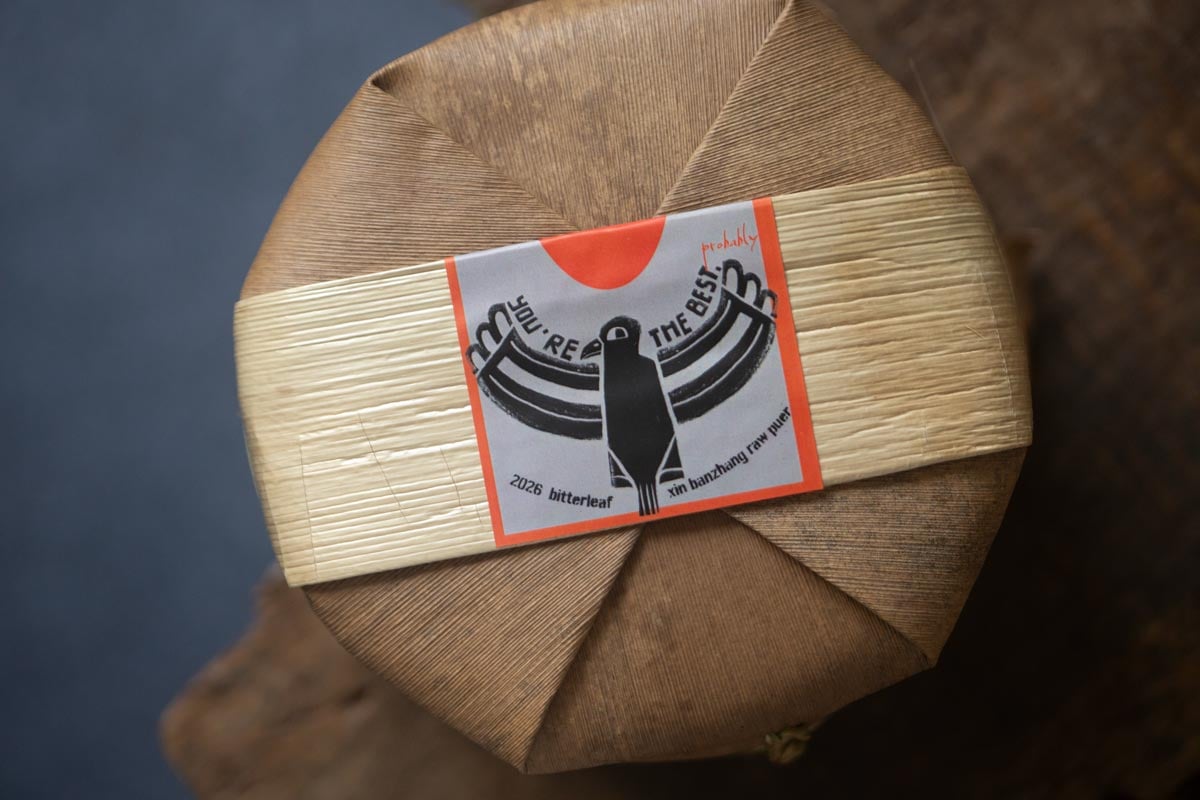
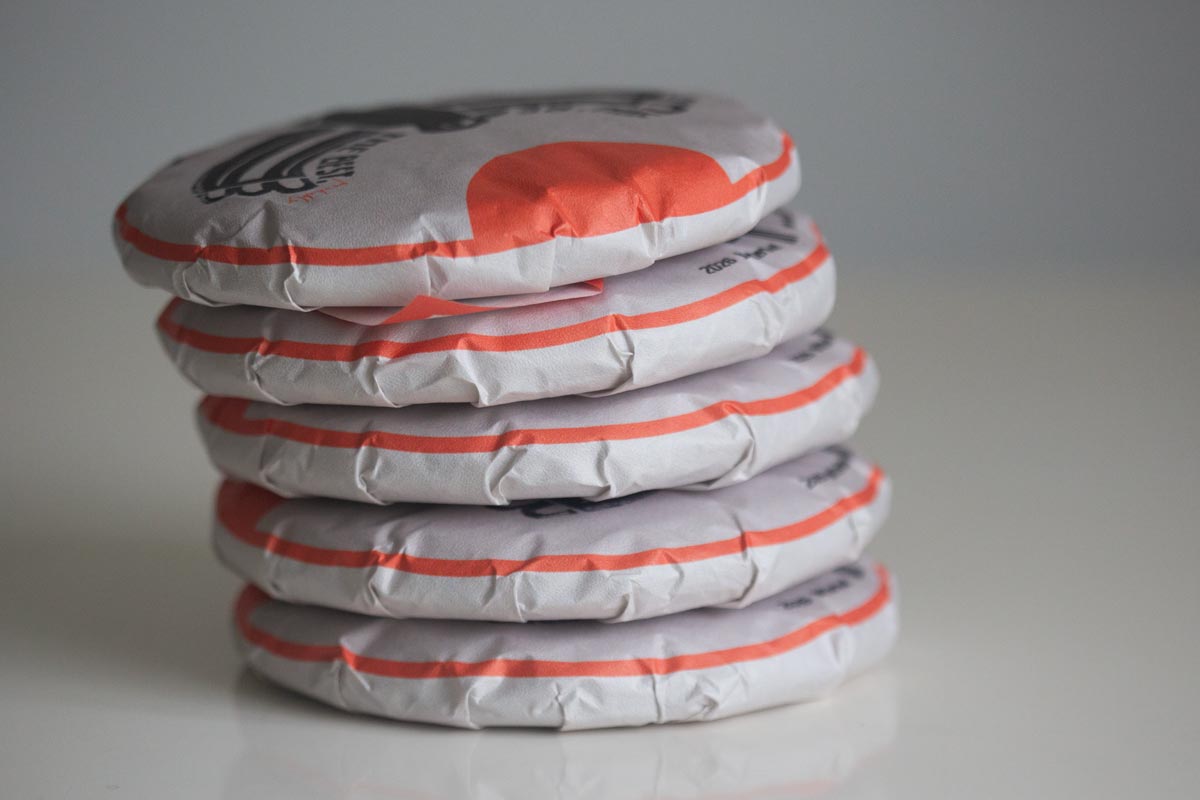
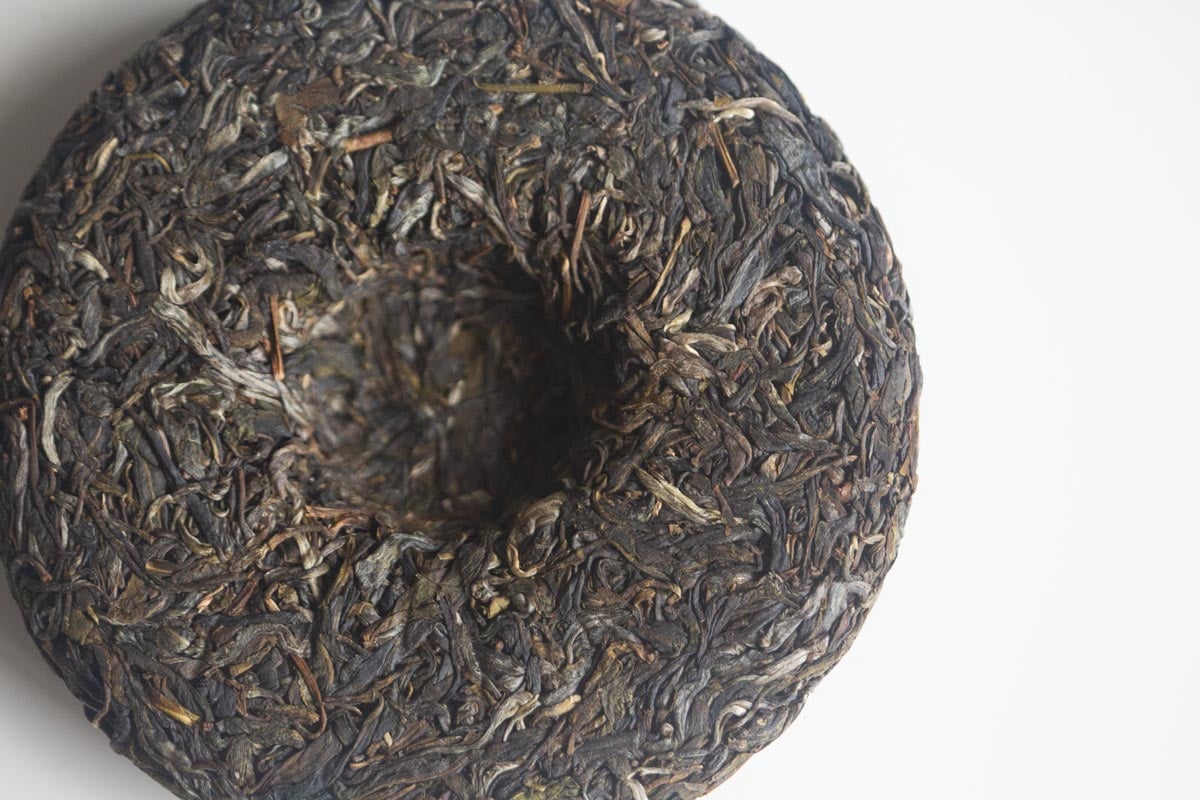
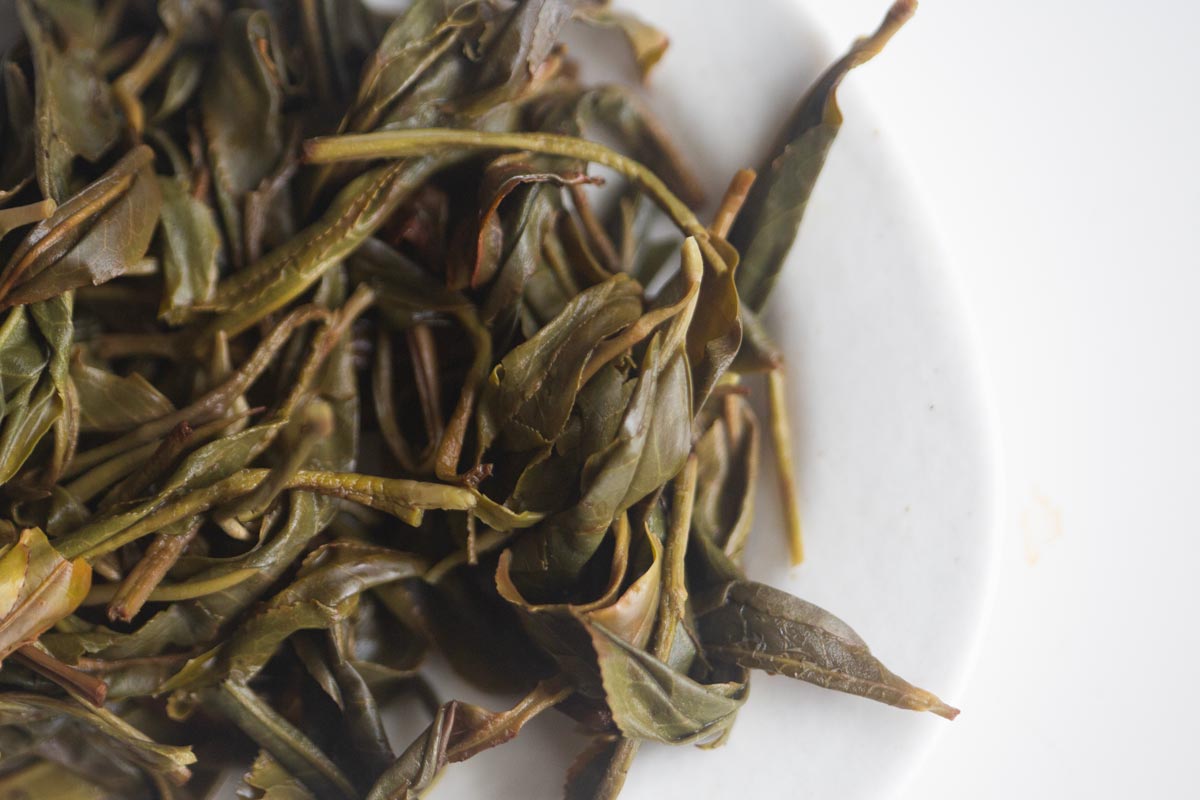
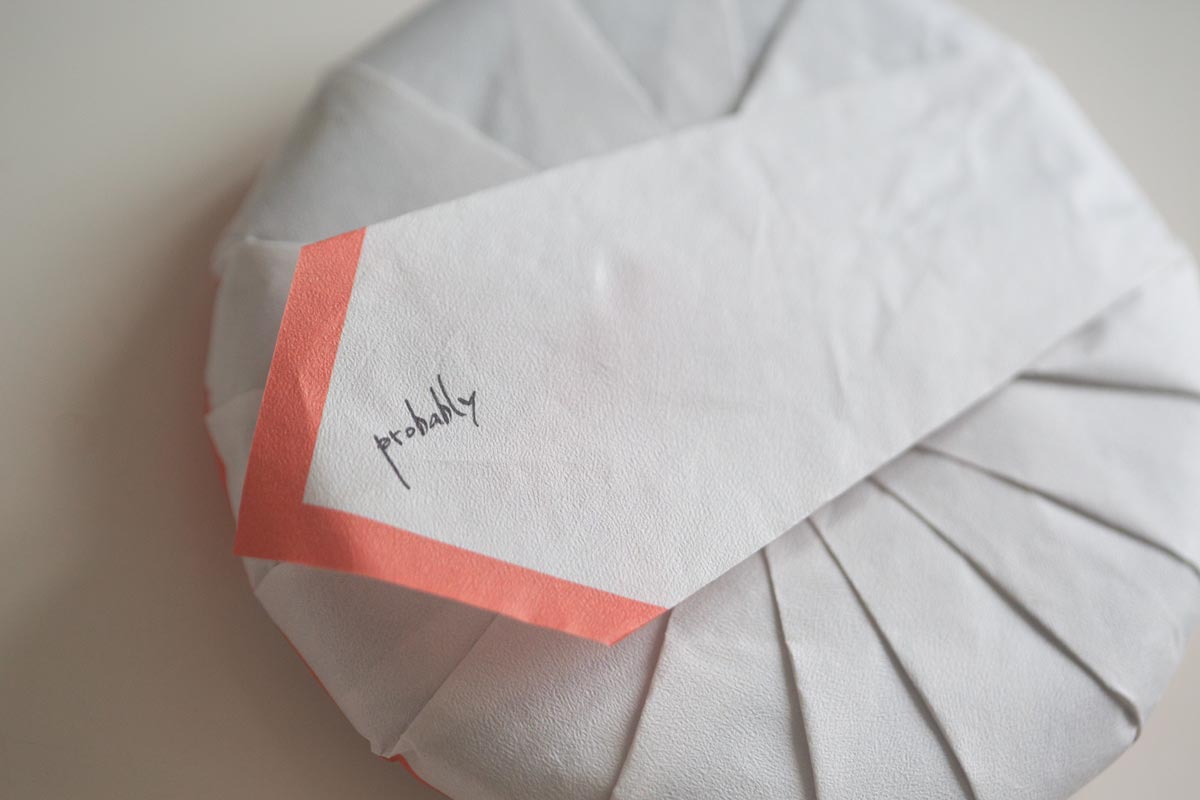
You’re the Best, Probably. 2026 Spring Xinbanzhang Raw Puer
Price range: $11.00 through $338.00
- Description
- A tale of 2 Banzhangs
- Additional information
- Reviews (4)
Description
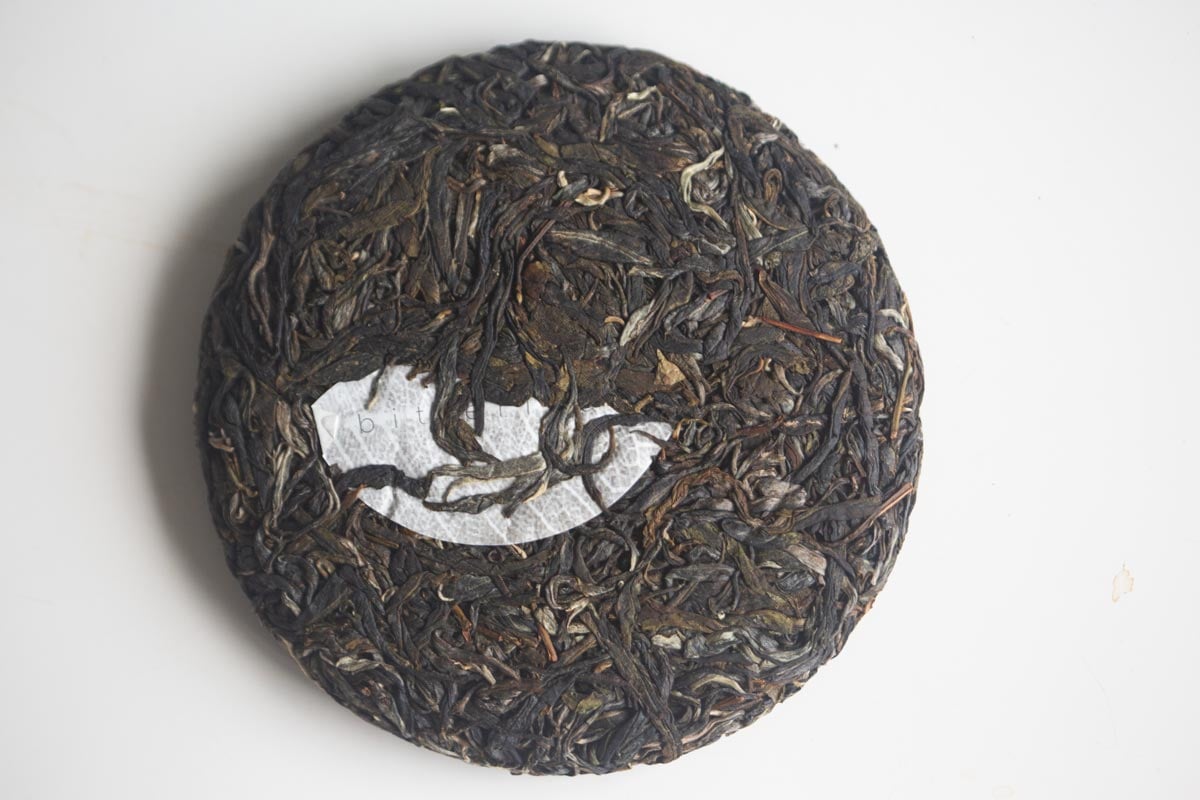
If you asked us for the closest thing to Laobanzhang (LBZ, Lao = “old”) without actually being LBZ, then this tea would be our answer. With an aggressive flavour, bitterness up front that transforms to sweetness, and a full body, you’d be forgiven for thinking it’s the real deal.
Between us, we prefer this tea over most genuine LBZ we’ve had. Made from Xinbanzhang (XBZ, Xin = “new”) huncai/mixed pickings of arbour and big/old trees, this tea is quite rich and has impressive depth. There is a slight soy sauce scent on the rinse that we’ve only come across with a handful of teas. Meanwhile the soup is brothy, with a thick mouthfeel.
Geographically, this tea is also as close as we could get to LBZ, as the garden comes from an area along the villages’ shared border. So close, yet so far, but arguably for the best. In this case, being on the “wrong” side of the line allows everyone to win, as this tea delivers on every level for only a fraction of the cost for tea picked a few dozen meters away.
Strong and bold in its youth, it’s safe to say that this tea is a strong choice for long term storage.
$0.34-0.44/gram
Picking Period: April 1-5
Region: Xinbanzhang, Yunnan
The two new and old villages are living out a modern parable, where Xinbanzhang split off from the original village due to scarcity of resources to support a growing population. This split started centuries ago, but became more formalized by the 1960s, with those left behind envying the new village’s resources.
40+ years later the roles were swapped, as tea moved from state companies to private producers and Laobanzhang was, in a way, “discovered”. In a short amount of time, tea that was previously sold to the Menghai tea factory for a few dollars per kg was worth thousands sold to private companies. While the families in LBZ were the biggest winners, it can’t be denied that XBZ and other surrounding villages also benefitted from this new attention… just not as much.
Although the villages are administratively distinct, they are only 7km apart in distance, with their respective tea gardens essentially blending into each other. Considering the characteristics of both teas are also quite similar, it can sometimes be difficult to draw a distinction – something unscrupulous sellers are well aware of. A large amount of “Laobanzhang” on the market is likely wholly or partially from Xinbanzhang.
Additional information
| Weight | N/A |
|---|
4 reviews for You’re the Best, Probably. 2026 Spring Xinbanzhang Raw Puer
Add a review
You must be logged in to post a review.

westside.rwina (verified owner) –
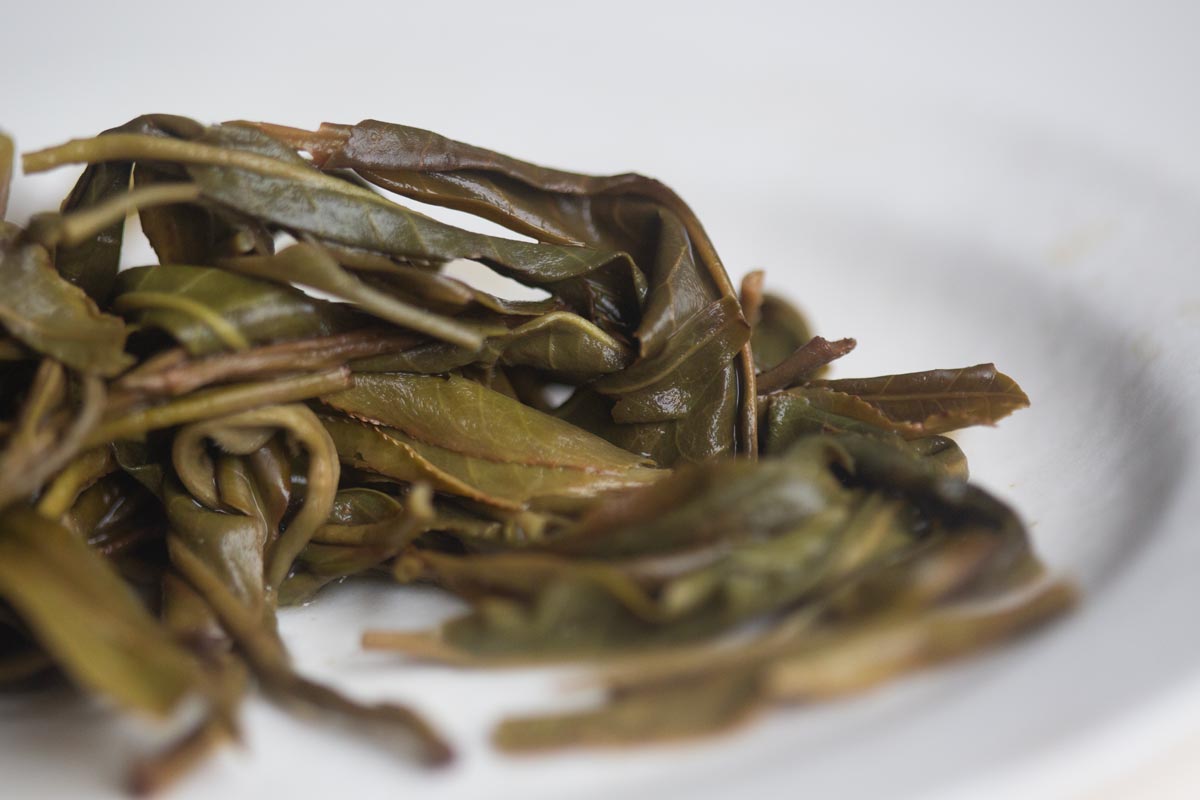
Trying this from a sample. The dry leaves smell hay-like and sweet, while the wet leaves are quite typical sheng to me. The first flash steep is promising, with a tingly sensation across nearly the whole mouth, a good presence, and mouth-watering sweetness without bitterness. The second steep continues to develop nicely, and by the third, some bitterness appears, followed by a cooling sensation.
After that, there isn’t much further development, although the sweet aftertaste lingers for quite some time.
I like this tea. My first steps into this terroir were promising and set high expectations, though they weren’t fully met. Ultimately, I found it lacking a little in depth and development—but perhaps that is something age will bring.
kris –
Id give 4.85
It is very true to the description.
It does have nice brothy mouthfeel and depth.
Bitterness and sweetness is spot and and it can go much further than many other teas
Alexandra Verville-Paris –
Super cloudy liquor, with a significant buildup of tea hairs at the bottom of the cup. The tea settles down after a couple of brews. I’m completely addicted and can’t imagine stopping this session.
// Smell: Warm butter cookie, a clean home, sweet pie dough, hay, fire-warmed wood, herbaceous notes, wet rock, fresh citrus.
// Texture: The tea hairs tickle the mouth and the tip of the tongue, a coating wave, thick texture that lasts a long time, cold gums, oily.
// Taste: Rich, oily broth, light hay, astringency, salty pie crust, spicy herbaceous notes, a farm-like feeling, minerality.
// Body sensation: Ultra-thick saliva, a sticky sensation on the tongue, strong heartbeat, serenity, calm energy, silence.
Alen D –
I got this one in a Treat Yourself sampler and ended up spending a whole morning with it. The wet leaf smelled sweet and jammy (dogberry maybe), with a soft floral edge. The first cups were cool and clean, with a fresh mint freshness that ran from the tongue down to the throat, followed by gentle tightening and salivation. The bitterness was present but never harsh, and it kept turning into subtle sweetness, especially after I let the cup cool down for a minute or two.
Around the fifth infusion the tea changed. The freshness faded and the body got thicker, almost oily, coating the cheeks and tongue, with a note of unripe grapes and something like diluted mandarin juice in the background. It’s a tea that made me slow down, but my stomach woke up and it gave me gentle burps. It reminded me of I Got The Power Lao Man’e, but with restrained bitterness and intensity.
The flavour range isn’t wide but it’s bold and clear. Not a tea for casual sipping in my book, more for a dedicated focused session.